
Selling on eBay: Start Here If You’ve Never Sold Online
If you’ve ever thought about selling on eBay but had no idea where to start, you’re not alone. It can feel like there’s a learning curve, but the truth is, getting started is much easier than most people think. You don’t need experience. You don’t need a big upfront investment. And you definitely don’t need to be tech-savvy. In fact, one of the biggest advantages of eBay is how low the barrier to entry is. You can start with items you already own, use your phone to create listings, and build from there.
This guide will walk you through the basics so you can go from zero to your first sale without overcomplicating the process.
Why Selling on eBay is the Easiest Side Hustle to Start?
There are a lot of side hustles out there, but eBay stands out for a few simple reasons:
- You don’t need to create a product
- You don’t need a website
- You don’t need to do any marketing
- You don’t need inventory upfront
- You can start with things you already own
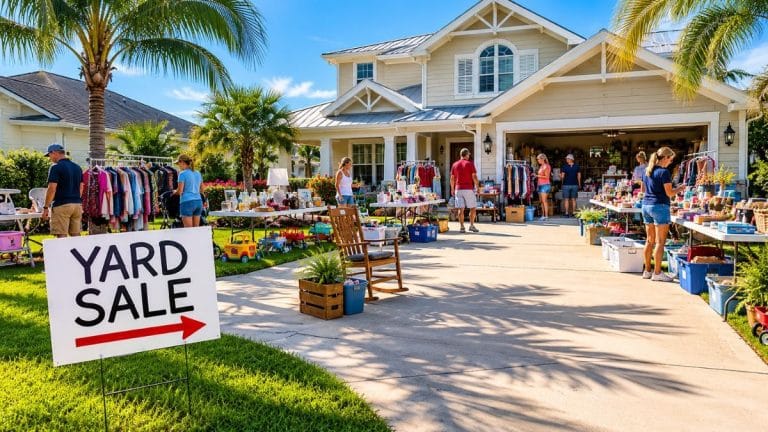
If you’ve ever decluttered your house, you already have potential inventory. That’s what makes this such a good option, especially if you’re just getting started. You can test it out without spending money and learn as you go.
Recommended reading:
- Look Around Your House… These 15 Items Could Be Worth Money Right Now
- I Decluttered My Home and Made Money at the Same Time…Here’s Exactly How I Did It
- My Beginner BOLO List That Actually Moves eBay Inventory!
- How I’d Make an Extra $500 Fast With Zero Overthinking
Step 1: Create Your eBay Account
The first step is straightforward. Go to eBay and create an account.
You’ll need:
- An email address
- Basic personal information
- A bank account for payouts
Once your account is set up, take a few minutes to:
- Choose a simple username (nothing offensive to appeal to all buyers)
- Add a profile picture (a simple picture will make your account look trustworthy)
- Make sure your address is correct for shipping
Don’t overthink this part. You can always refine things later as you gain more experience
Step 2: Build Feedback (Even Before You Sell)
One thing that surprises beginners is how important feedback is on eBay. Buyers are more likely to purchase from sellers who have positive reviews. The good news is you don’t have to wait until you start selling to build that. You can start by buying a few inexpensive items on eBay. Every purchase gives you the opportunity to receive positive feedback.
This does two things:
- It makes your account look more established
- It builds trust with future buyers
Even just a handful of positive reviews can make a difference when you’re starting out!
Step 3: Start Selling on eBay With What You Already Own
This is where most beginners get stuck. They think they need to go out and buy inventory right away. You don’t. The easiest way to start selling on eBay is to look around your house.
Think about:
- Clothes you no longer wear
- Kids’ items your family has outgrown
- Home decor you don’t use
- Electronics sitting in drawers
- Books, toys, or hobby items
Starting this way removes the biggest risk. You’re not spending money upfront, and you get to learn the platform while making extra cash. It also helps you build confidence quickly.
Step 4: Take Simple Photos (Your Phone Is Enough)
You don’t need a fancy setup to get started. A smartphone is more than enough.
A few simple tips:
- Use natural lighting near a window
- Keep the background clean and uncluttered
- Take multiple angles
- Show any flaws clearly
Buyers want to know exactly what they’re getting. Clear photos build trust and reduce returns.
Step 5: Create Your First Listing
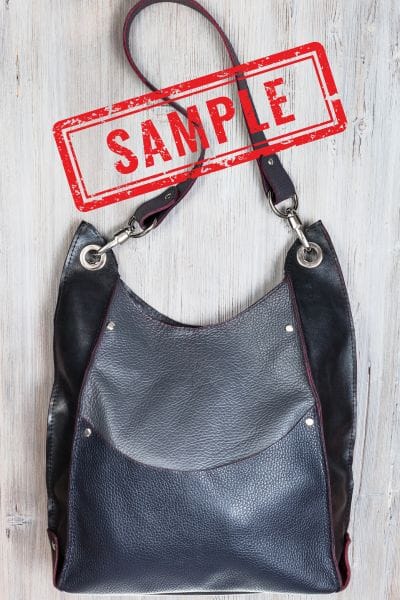
This is the part most people overthink, but it’s actually very simple. I always recommend looking at similar listings from more experienced sellers to ensure you are creating the best listing possible.
When creating a listing:
- Use clear, descriptive titles
- Fill out as many item details as possible
- Choose the correct category
- Set your price
You don’t have to be perfect. Your first few listings are about learning. Over time, you’ll get faster and more confident.
Step 6: Pricing Strategy for Beginners
Pricing can feel tricky at first, but there’s an easy way to approach it. Start by searching for your item on eBay and filtering by “sold” listings. This shows you what people are actually paying, not just what sellers are asking.
From there, you can decide:
- Price slightly lower for a faster sale
- Price competitively and wait
- Accept offers to give yourself flexibility
If you’re just starting out, I recommend focusing on getting sales and building feedback rather than maximizing profit on every item. Momentum matters more in the beginning.
Step 7: Basic Supplies You’ll Need
You don’t need much to get started, which is another reason eBay is so beginner-friendly.
Here are a few basic supplies:
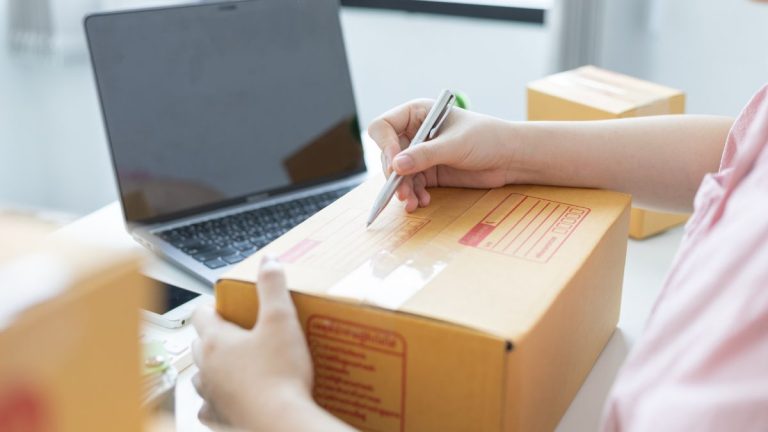
- Shipping boxes (reuse Amazon boxes if you have them)
- Polymailers for clothing
- Packing tape
- A printer for labels (or depending on the shipping method the carrier may provide a label)
- A scale
You can keep this very simple at first. As you grow, you can upgrade your setup.
Step 8: Shipping Your First Item
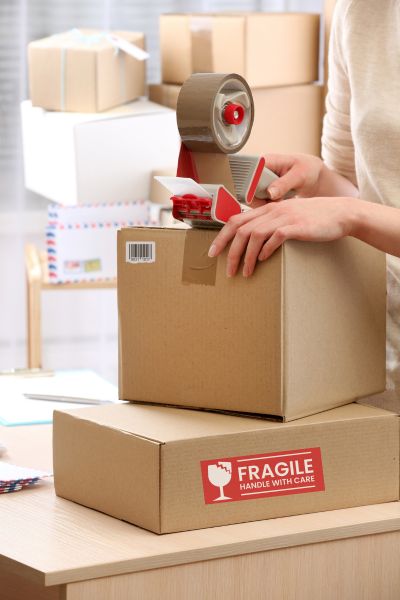
Shipping is often the part that feels intimidating, but it becomes routine very quickly.
Once your item sells:
- eBay will guide you through the shipping process
- You can print a label directly from the platform
- Drop the package off at USPS, UPS, or FedEx
That’s it. After your first shipment, the process feels much easier.
Step 9: Focus on Consistency, Not Perfection
One of the biggest mistakes beginners make is trying to do everything perfectly before they start.
- You don’t need perfect photos.
- Listings do not have to be perfect (done is better than perfect)
- What matters is getting started, staying consistent, and providing good customer service to your customers.
Step 10: Monetization and Growth
Once you’ve made a few sales and understand the basics, you can start thinking about growing your income.
Some simple ways to scale:
- Continue selling items from your home
- Start sourcing from thrift stores or garage sales
- Focus on categories you enjoy or understand
- Improve your listings and pricing strategy
At this stage, you can also begin to think more strategically about profit margins and inventory. But in the beginning, the goal is simple: learn the platform and build confidence.
Ready to Start Selling on eBay?
Starting something new can feel overwhelming, but selling on eBay is one of the most approachable ways to begin making extra money online. You don’t need experience or a large investment. Just need to take the first step.
- Start with what you have.
- List your first item.
- Learn as you go.
For more ways to make extra money, check out my Pinterest “Make Extra Money” board. It has some great ideas to help you get started! That’s how every successful seller begins!