
Whatnot Seller Mistakes Beginners Should Avoid
This blog post may contain affiliate links.
Whatnot Seller Mistakes are easy to make when you are brand new to live selling. The platform moves quickly, the auctions happen in real time, and there are a lot of small details that you may not think about until you are already live with buyers watching.
If you are used to selling on eBay, Mercari, Poshmark, Vinted, or Facebook Marketplace, Whatnot can feel very different at first. On other platforms, you can photograph an item, write the description, list it, and wait for the right buyer. On Whatnot, you are showing the item live, answering questions, running auctions, keeping track of buyers, thinking about shipping, and trying not to panic all at the same time.
That does not mean Whatnot is too hard for beginners. It just means there are some things you want to understand before you jump into your first show. I have made plenty of mistakes while learning the platform, and if sharing them helps someone else feel more prepared, then at least those lessons were worth something.
Recommended reading:
- How to Make Money on Whatnot for Beginners
- Whatnot Seller Fees Explained: What Sellers Actually Pay
- Best Whatnot Selling Categories That Actually Make Money
Whatnot Seller Mistakes Start Before Your First Show
One of the biggest mistakes I made was being afraid to start. Live selling felt intimidating because it was so different from the kind of reselling I already understood. When you sell on eBay, there are a million tutorials, checklists, and examples to follow. With Whatnot, especially when the platform was newer, it felt like there were fewer people explaining the behind-the-scenes details.
Looking back, I wish I had started sooner. I had opportunities to learn the platform earlier, but I brushed them off because I did not really understand what Whatnot was or how it could fit into reselling. By the time I was ready, I had built it up in my head so much that starting felt scarier than it needed to be.
If you are sitting there thinking about becoming a Whatnot seller, my honest advice is to start before you feel 100 percent ready. You can watch tutorials, read blog posts, and study other sellers, but at some point, you have to actually practice going live. The first show probably will not be perfect, and that is okay.
Whatnot Seller Mistakes Happen When You Wait Too Long
The longer you wait, the more overwhelming it can feel. You start worrying about what to say, how to run items, whether people will show up, and what happens if something goes wrong. Most sellers are not perfect in their first few shows, and buyers usually understand that everyone has a learning curve.
A good way to make starting less intimidating is to schedule a small beginner-friendly show. Choose inventory you are comfortable talking about, keep the number of items manageable, and focus on learning the process instead of trying to make it your biggest sale ever. The goal of the first few shows is not perfection. The goal is to get comfortable.
Starting Every Auction at $1 Can Be a Risky Mistake
One of the most common Whatnot Seller Mistakes is thinking every auction needs to start at $1. I completely understand why beginners think this way. When you are trying to build a following, it feels like low starts will bring people into your show and encourage them to bid.
The problem is that not every item will get bid up. Sometimes an item you expected to sell for $10, $15, or $20 really does sell for $1. That can be painful if you paid too much for the item, if it takes time to pack, or if you were counting on a stronger profit.
My personal rule is simple. Do not start something at $1 unless you are truly okay with it selling for $1. There is nothing wrong with $1 starts when they make sense, especially for lower-cost inventory, clearance items, bundle-building, or items you are willing to move quickly. But if you need a certain amount to make the sale worth it, start the auction higher.
You can still attract buyers without starting everything at $1. Starting items at $3, $5, or another reasonable amount can work, especially if the items are good and your audience is interested. Buyers who want the item will still bid when they see value.
Not Understanding Whatnot Shipping Before Going Live
Shipping is one of those Whatnot Seller Mistakes you really want to understand before you are in the middle of a live show. On platforms like eBay, you may already have your process down. Whatnot shipping works differently because buyers can purchase multiple items from the same show, and their shipping charges can change based on the item weight and shipping setup.
When you set up items for your show, you will need to choose shipping details. Depending on how you run your show, you may use shipping profiles or enter item weights. For example, if you are running a small collectible, you may select a weight range before starting that auction. The buyer sees the shipping cost when they swipe to purchase.
Where it can get confusing is when buyers purchase multiple items. Whatnot can combine shipping up to a certain point, but once the total weight crosses certain thresholds, shipping may reset or require a different option. This is why it is important to understand whether your items are better suited for Ground Advantage, Priority Mail, flat rate shipping, or another setup.
If you are selling lightweight items, like clothing, plush, cards, small toys, or accessories, your shipping strategy may look very different than someone selling heavy, long, bulky, or fragile items. A seller running golf polos will have a different setup than a seller running golf clubs. A seller running Disney Doorables will have a different setup than someone selling big doll furniture.
Choosing the Wrong Shipping Setup Can Confuse Buyers
Buyers may ask about shipping during the show, and you want to be able to answer with confidence. If they are buying several items, they may want to know whether shipping will combine or whether they will be charged again after a certain point. If you do not understand your setup, it can create confusion for everyone.
Before your first show, test different item types and think through what would happen if one buyer purchased several things. Can the items fit in one box? Are they fragile? Could the order go over five pounds? Would flat rate packaging make sense, or would regular priority shipping be better?
This is also a great area where it helps to ask other Whatnot sellers questions. Watch sellers in your category, pay attention to how they explain shipping, and do a little homework before your first big sale. Shipping feels stressful in the beginning, but once you understand your category and your packaging, it gets much easier to avoid these common Whatnot seller mistakes.
Not Scheduling Future Shows for Buyers to Bookmark
Another mistake I made was not scheduling shows far enough in advance. When you are live, you already have people in the room who are interested in what you are selling. That is the perfect time to tell them about your next show.
If someone came into your show for golf polos, Disney items, American Girl doll clothes, vintage toys, or clothing lots, there is a good chance they may want to come back for something similar. But if you do not have another show scheduled, there is nothing for them to bookmark. You are missing an easy opportunity to keep interested buyers connected.
A simple strategy is to schedule your next one or two shows before you go live. Then, during your current show, you can casually mention the next one and remind people to bookmark it. When buyers bookmark a show, they are more likely to get notified when you go live.
This can also help with promoting your show outside of Whatnot. If you schedule a show a week or two ahead of time, you have time to share it on Instagram, Facebook, Pinterest, your email list, or wherever your audience already spends time. You do not need to be annoying about it, but a few reminders can help build momentum.
Ignoring Show Notes Is One of the Easiest Whatnot Seller Mistakes to Fix
Show notes are easy to overlook, especially when you are focused on inventory, pricing, and going live. But they are actually a really helpful part of running a smoother show. Think of show notes like the description area on eBay, Poshmark, or Mercari.
Your show notes can explain what buyers should expect. You can mention whether items are new or used, how you handle flaws, when you plan to ship, whether all sales are final, and any other helpful details that apply to that specific show. This gives buyers a chance to understand your terms before bidding.
For example, if I were running a used clothing show, I would want to say that items may show normal signs of wear and that I will do my best to point out noticeable flaws during the live show. If I were selling dolls, accessories, or collectibles, I might mention that items are sold as shown and that buyers should ask questions before bidding.
Show notes do not need to be long, but they should be clear. They can protect you from misunderstandings and make the whole show feel more organized.
Simple Show Notes Ideas to Avoid Whatnot Seller Mistakes
Here are a few things you may want to include in your Whatnot show notes:
✅ Items are new, used, vintage, or pre-owned
✅ Flaws will be shown or mentioned when noticed
✅ All sales are final
✅ Ask questions before bidding
✅ Shipping timeframe
✅ Whether items come from a smoke-free or pet-friendly home, if relevant
✅ Any category-specific details, like sizing, measurements, or missing pieces
You can adjust your show notes based on the type of inventory you are selling. A clothing show, toy show, doll show, collectible show, and mystery box show may all need slightly different notes.
Not Understanding Cancellations and Returns
Cancellations and returns work differently on Whatnot than they do on some other selling platforms. If you are used to eBay, you may expect to be able to cancel an order yourself if something goes wrong. On Whatnot, there are situations where the buyer has to initiate the cancellation.
This matters because mistakes can happen during a live show. Maybe you notice a stain after the buyer has already won the auction. Or perhaps you realize a toy is missing a piece. Maybe you accidentally gave the wrong detail while showing the item.
In that case, it is better to be honest right away. You can tell the buyer what happened, explain the issue, and let them know they can request a cancellation if they no longer want the item. Then you can accept the cancellation if that is the right thing to do.
The biggest lesson here is to slow down enough to inspect items before running them. You still may miss something from time to time, especially in a fast-moving show, but a little preparation can prevent a lot of problems.
Skipping a Trial Show Before Going Public
Doing a trial show is one of the best ways to feel more confident before your first public Whatnot show. Whatnot allows sellers to schedule private shows, which can only be accessed by people who have the link. This gives you a chance to practice without random buyers coming in.
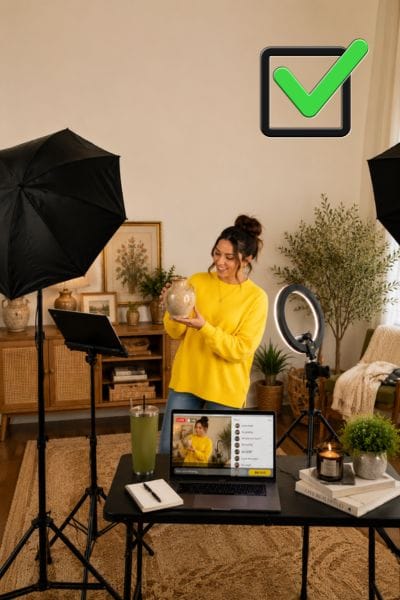
A private show lets you test your setup, lighting, sound, camera angle, item flow, and comfort level. You can invite a friend or two to join and give honest feedback. You do not have to run real auctions, but you can practice the motions of showing an item, talking through it, and starting a listing.
Bad lighting is a bigger deal than people realize. If the room is too dark, colors may not show accurately on camera. This can be a problem if you are selling clothing, collectibles, dolls, purses, or anything where condition and color matter.
Before going live, look at your show from another device if you can. This helps you see what buyers are seeing. You may realize you need more light, a cleaner background, a better table setup, or a different way to display your items. This will help you avoid so many Whatnot Seller Mistakes.
Using the Wrong Referral Code When Signing Up
This is one of those small beginner whatnot seller mistakes that can feel frustrating later. If you are signing up for Whatnot and plan to sell, pay attention to whether you are using a buyer referral code or a seller referral code. They may offer different benefits.
A buyer referral code may give you a shopping credit, which is nice if you are buying something. But if your goal is to become a seller, a seller referral code may be more valuable depending on the current promotion and requirements.
Promotions can change, so always read the current terms before signing up. The main point is to slow down and make sure you are using the type of referral code that matches what you actually want to do on the platform.
If you want to try out Whatnot for the first time, use my referral link to get a free $15.00 referral credit when you sign up and make your first purchase!

Whatnot Seller Mistakes: Getting Too Niche Too Soon
Niche selling can be powerful on Whatnot, but it can also limit you if you lock yourself into one category too quickly. When buyers start to know you for one thing, that can be great. It can also make it harder to test other categories later.
For example, if you mainly sell golf items, buyers may come to expect golf clubs, golf polos, golf shorts, and similar inventory. That can work really well if you have a steady supply and an interested audience. But if you want to try hats, shoes, jewelry, toys, dolls, or clothing, you may need to test those categories separately.
In the beginning, it may be worth experimenting a little. Try different categories, show times, item types, and price points. Pay attention to where you get the most interest, what sells quickly, and what feels easiest for you to source consistently. You do not have to sell everything forever. Testing simply gives you more information before you build your whole Whatnot strategy around one type of inventory.
Not Having a System for Running and Tracking Items
Once your show starts moving, organization matters. If you are running a large number of similar items, it is very easy to mix things up. This is especially true with small toys, collectibles, clothing pieces, accessories, or anything that looks similar on the table.
Some sellers create individual listings with photos for every item. Other sellers create one general listing with a larger quantity and run each item as number one, number two, number three, and so on. Either method can work, but you need a tracking system that prevents shipping mistakes.
One simple option is to use painter’s tape or small labels. When an item sells, write the item number and the buyer’s username on the tape, then attach it to the item or its bag. This helps you match each item to the right buyer after the show.
The key is to write both the item number and the buyer name. Only writing the item number can get confusing later, especially if items move around or multiple buyers purchase similar things. A few extra seconds during the show can save you a lot of stress when it is time to pack orders.
Inconsistency Makes Whatnot Harder Than It Needs to Be
Consistency matters on almost every selling platform, and Whatnot is no different. When you do shows regularly, you get into a rhythm. You remember how to run items, adjust prices, interact with the chat, and keep the show moving.
When you take long breaks between shows, everything feels harder again. You may forget small details, feel awkward on camera, or lose the momentum you were building with buyers. This does not mean you have to go live every day, but having some kind of schedule can help.
For beginners, consistency might mean one show a week, one show every other week, or even one larger show each month. The schedule should fit your inventory, energy level, and real life. It is better to choose a realistic rhythm than to burn yourself out trying to do too much.
Running Out of Inventory Faster Than Expected
One thing that surprised me about Whatnot is how quickly a good show can clear out inventory. This is a great problem to have, but it is still something you need to plan for. If you sell 40, 50, or 60 items in one show, your inventory pile can shrink fast.
This is very different from listing items one by one on eBay. With traditional reselling, inventory may sell slowly over days, weeks, or months. On Whatnot, a large portion of your inventory can be gone in an hour or two. Before you commit to frequent shows, think about how you will keep sourcing. Do you have enough inventory for several shows? Can you replenish it easily? Are your profit margins strong enough to justify buying more?
If you only have enough items for one or two shows, that is okay. Just plan your schedule around that. You do not want to promise weekly shows if you are constantly stressed about finding enough inventory.
FAQ About Common Whatnot Seller Mistakes
One of the biggest mistakes new Whatnot sellers make is starting before they understand the basics of shipping, pricing, and show setup. You do not need to know everything, but you should understand how your items will ship, what your lowest acceptable price is, and how you will keep orders organized after the show.
You should only start auctions at $1 if you are okay with the item selling for $1. Low starts can bring energy to a show, but they can also hurt your profit if items do not get bid up. For many sellers, starting at $3, $5, or another reasonable amount is a safer beginner strategy.
The best way to avoid shipping mistakes is to understand your shipping settings before going live and create a clear system for labeling sold items. Use item numbers, buyer usernames, bags, labels, or tape to keep everything matched correctly. It also helps to pack slowly after the show instead of rushing.
Yes, show notes are important because they help buyers understand your terms before bidding. You can include details about item condition, flaws, shipping time, all sales being final, and any other important information for that show. Good show notes can reduce confusion and make you look more prepared.
Beginners should choose a schedule they can realistically maintain. For some sellers, that may be once a week. For others, it may be every other week or once a month. The goal is to be consistent without running out of inventory or burning yourself out.
You do not necessarily need a large following to start selling on Whatnot. A following can help, but good inventory, clear communication, fair pricing, and consistency also matter. Many sellers build their Whatnot audience over time by running shows and giving buyers a good experience.
Start Small, Learn Fast, and Keep Going
The good news about these Whatnot Seller Mistakes is that most of them are fixable. You do not have to have a perfect setup, a huge following, or endless inventory to get started. You just need to be willing to learn as you go and make small improvements each time you run a show.
If you are nervous about your first Whatnot show, start with a private practice show, test your lighting, write clear show notes, and choose items you understand well. Decide your starting prices ahead of time, learn your shipping options, and create a simple system for labeling sold items. Those little steps can make the whole process feel much less overwhelming.
Live selling can feel intimidating at first, but it gets easier once you build confidence. Every show teaches you something about your buyers, your inventory, and your own selling style. So if you have been waiting to start, consider this your reminder to prepare the best you can, go live, and learn from the process.
For more Whatnot and Live Selling tips, check out my Whatnot Live Selling Auction App Pinterest Board!
This blog post may contain affiliate links. If you click on these links and make a purchase, I may earn a commission at no additional cost to you. I only recommend products or services I use and believe will add value to my readers. Please note that I am not responsible for the content, privacy practices, or services of external sites linked within the blog post.